

Columns by John

John Brown has been a wine and food columnist in West Virginia since the 1980’s. His regular columns appear in the Charleston (WV) Gazette-Mail under the title Vines & Vittles.

A tasty Rioja and some special wine and food events

A superb wine for your sipping pleasure: 

2005 Ramon Bilbao Rioja ($15) – I love the wines of Rioja in northern Spain and this special 100 percent tempranillo is a real stunner! With 14 months in oak, the wine has a nose of vanilla, leather and cola. On the palate, bright, ripe cherries give way to a rich, round, toasty mouthful of Rioja that lingers on the finish.  You need to try this wine with roasted meat such as tenderloin of pork which has been rolled in rosemary, garlic, crushed black pepper, sea salt and olive oil.

Wine and Food Events 

Join the good folks at Bridge Road Bistro on Tuesday, April 21st for a reception and special dinner featuring the wines of France.  Olivier Lotterie of Vineyard Brands will describe the wines which have been specially selected to match the multi-course meal.

The reception begins at 6 p.m. followed immediately by dinner. Cost of the dinner is $69 (plus tax and gratuities) per person. To make reservations, call the Bistro at 304-720-3500. 
 Canaan Wine Weekend 

Just about every six months, I have the pleasure of participating in and presenting at a wine weekend event at Canaan Valley Resort in the mountains of wild and wonderful West Virginia.  The fourth version of this mountain gourmet extravaganza will take place May 8th and 9th at the lodge on the grounds of the Tucker County state park.

I’ll select wines from around the world that will be paired with a cornucopia of culinary delicacies prepared by Canaan Valley Resort’s executive chef Nemat Odeh.  Chef Odeh, who received his culinary training in Europe, knows a thing or two about food and is also adept at working with wine – and picky wine guys like me. 
Here’s the schedule: Friday,  May 8 at 7 p.m.: Guests will kick-off the weekend with a "taste-around reception" where  more than 20 wines from the world's most prestigious regions can be sampled with matching culinary treats, including crab cakes, beef tenderloin, smoked salmon, pasta, a raw bar, desserts  and other treats.  This wine and food “graze around” is a wonderful way to evaluate wine with food. In fact, I always seem to experience a wine and food “epiphany moment” at these informal taste arounds.  
The next day at 11a.m., yours truly will conduct an educational wine tasting and seminar followed by a delicious luncheon with specially selected wines. Chef Odeh will then conduct a nutrition and culinary demonstration after which guests can enjoy an afternoon of activities or take a nap and get ready for evening ahead.  
Saturday evening’s activities begin at 7 p.m. with the multi-course Grand Gourmet Dinner with accompanying wines.  The menu includes Lobster Martini, Tabouilli Salad in a Cucumber Boat, Duck Cake with Tomato Lavender Marmalade, Steamed Pacific Cod with Napa Roasted Tomatoes, Braised Veal Shank with Morel Mushroom Risotto, and Baked Alaska with Huckleberry Puree.

Guests have the option of attending the entire weekend for a package price, or choosing to participate in individual events ala carte. For pricing and additional information or reservations call 800-622-4121.  I hope to see some of you at this great event.
Canaan - Wild and Wonderful Wine Weekend

Canaan - Wild and Wonderful Wine Weekend
Canaan Valley Resort is once again planning their “Wild, Wonderful Wine Weekend” this fall. Join me and other wine and food lovers on November 11-13 for an entertaining and educational gourmet extravaganza. I’ll select wines from around the world that will be paired with a cornucopia of culinary delicacies prepared by Canaan Valley Resort’s executive chef Eric Buchinger.

It’s always fun to work with culinary professionals in pairing wines with their scrumptious creations, and the folks at our state’s most scenic resort always hit the mark at this signature event.

The weekend begins Friday, November 11 at 7 p.m. with a “taste-around reception” where wines from the world’s most prestigious regions can be sampled with matching culinary treats from food stations featuring a wonderful selection of foods upon which to graze (see below).

On Saturday, guests will be treated to a four-course wine-paired luncheon followed later in the afternoon by a tasting of wines selected and led by yours truly. After the tasting, guests will be free to hike, bike, nap (what I plan to do) or just enjoy Mother Nature’s purple mountain majesty!

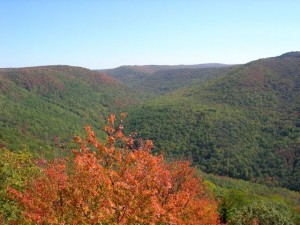
View from "Table Rock" in Wild and Wonderful West Virginia


The evening’s activities begin at 7 p.m. with a six-course grand gourmet dinner with accompanying wines.

Hopefully, the menus below will get your collective palates watering in anticipation. I haven’t completed selecting all the wines at this writing, but you can be assured that I will do my best to make you happy.


ReceptionSeafood station
Shrimp, Oysters, Scallops and Crab Cakes
Meats
Braised Short Ribs, Teriyaki Beef Skewers, Pot Stickers
Hors D’ oeuvre Display
Imported cheeses, Italian Meats, mousse, and pâté.
Dessert Station

 
LunchVegetable Terrene
Fried Green Tomatoes with Plum Shrimp
Smoked Beef Brisket Ravioli
Chocolate Espresso Cake

DinnerCrab Bisque
Pork & Peaches (seared pork belly with a caramelized peach atop)
Cajun Snapper
Citrus Chicken
Stuffed Tenderloin of Beef
Chocolate Napoleon

Guests have the option of attending the entire weekend for a package price, or choosing to participate in individual events ala carte. For pricing and additional information or reservations call 800-622-4121 or visit online at www.canaanresort.com.

Hope to see you there.

Sprintime pasta and sauvignon blanc: ramping up the menu

Ramps!  Like snails, single malt scotch or sweet breads, you either love ‘em or hate ‘em.

Maybe it’s because of my familial ties to the ramp capitol of the world – Richwood, West Virginia - but I really do love those little odiferous lilies that dot the mountains of our wild and wonderful state this time of year.

The stories about Richwood and ramps are many, outrageous and sometimes true. The late Jim Comstock, publisher of the now defunct West Virginia Hillbilly, chronicled many of them in his newspaper. He is also responsible for literally creating a national stink when he added ramps to the printers ink for one edition of the newspaper. The US Postal service was not amused, but it sure did put his town and ramps on the map.

My paternal grandparents hailed from that little mountain village fast by the shores of the Cherry River, and I spent many happy summers there, escaping the heat and humidity of Clarksburg in the days before air-conditioning. I don’t remember ever having been exposed to the little lilies back then, but I do remember my first experience with them.

I was in the US Army at the time and home on leave, enjoying a few days with my family before heading off to Southeast Asia to defeat communism. One evening, my next door neighbor brought over a six pack (or so) of beer and a mess of ramps.  He suggested the best way to enjoy the little veggies was to sprinkle them with salt and eat them raw – which we did until the wee hours of the morning

Well, I awoke that spring morning to a home in which every window and door had been opened. My mother was outside with an industrial size container of Lysol and was spraying the stuff into the house from each window. The moral of the story:  For the protection of mankind, don’t ever drink beer and eat raw ramps unless you are encased in a hazmat suit.

This time of year, just about every town in our state features a ramp feed at which people are introduced (many for the first time) to over-ripe and under-cooked ramps. After experiencing the culinary massacre of ramps by those who fry them in lard or bacon grease and add them to potatoes or (worse) pinto beans, people leave the events belching and flatulent, vowing never to get within a country mile of a ramp.   

However, I implore you:  don’t give up on ramps just yet.  Today, I want to offer a recipe for your consideration that uses the pungent flavor of  ramps as just a nuance to a pasta dish which is enhanced by the accompaniment of full-flavored  sauvignon blanc.

Shopping list:

-          a small bunch of ramps

-          asparagus  

-          thick sliced bacon

-          extra virgin olive oil

-          one-pound of capellini

-          red pepper flakes

-          grated pecorino-romano cheese

-          salt and pepper to taste

       1. Dice four pieces of bacon and sauté it in a frying pan over low heat until it is crisp. Then remove the bacon and allow it to drain on paper towels.

       2. Drain off all but about two tablespoons of bacon fat and add two ounces of extra virgin olive oil to the pan.

    3. Clean and dice a small bunch of ramps (eight or ten). Reserve the green parts for later and sauté the white parts along with one-quarter pound of cleaned and diced asparagus tops in the bacon fat and olive oil until the veggies are tender.

    4. Cook the pasta (al dente) in a large pot of boiling water to which you have added a teaspoon of salt.

    5. When the pasta is done, add a quarter cup of the cooking liquid along with the pasta to the frying pan with the ramps and asparagus.

    6. To the pan, add the bacon, the pecorino romano and the red pepper flakes and integrate the mixture over low heat.

    7. Now add the reserved (and chopped) green ramp tops to the mixture and serve.

This ramp and asparagus pasta dish would be well served by a crisp, yet round,   sauvignon blanc. The grassy, herbal and melon flavor components of sauvignon blanc, especially ones from New Zealand, go exceptionally well with vegetables like asparagus that has been flavored with ramps (or even garlic).  

2007 Villa Maria  ($17); 2008 Nobilo Icon   ($22); 2008 Whitehaven   ($17); 2007 Geyser Peak ($13); and 2008 Kim Crawford ($20).

Beyond Chateauneuf Du Pape: the other wines of Provence

Ask a Francophile to describe the outstanding attributes of France’s southern Rhone region known as Provence, and you’ll likely get responses that heap praise on it’s striking mountains, fields of lavender, delicious Mediterranean cuisine, Roman ruins and Papal Palace in Avignon.

Ask an oenophile (or just some wine geek like me) about Provence and we'll quickly tell you it is home to Chateauneuf Du Pape, the most famous and expensive wine of this southern Rhone River region. As a matter of fact, I had the pleasure of spending some time in Provence in the summer of 2002, and visited Chateuneuf Du Pape as well as many of the other wine villages and towns of that picturesque region.  

While Chateauneuf  Du Pape can produce truly exceptional wines, particularly from producers such as Fortia, Beaucastel, Vieux Telegraphe, Chapoutier, Paul Autard and Rayas, there are a plethora of other exceptional wines being made in Provence that are very reasonably priced. And, while there are some good white wines made in Provence, the emphasis here is on red, and that’s what we’re examining here today.

There are 13 grapes that can be used to make red Chateauneuf Du Pape and other wines of the region, but most wineries blend a combination of syrah with the ubiquitous grenache and a touch of mourvedre to produce these lovely, full-flavored wines.

First, understand that there have been a series of exceptional to superlative vintages in the Southern Rhone region over the past decade. With the exception of 2002, when many vineyards were inundated by torrential rain and flooding, every vintage that has been released  since 1998 is rated over 90 (in a 100 point scale).

The wine you might try first is called Cotes du Rhone and is made predominately from Grenache with some Syrah and Mourvedre blended in to provide a deeper color. Cotes Du Rhone can be made from grapes grown anywhere in the broader southern Rhone region and are generally medium-bodied wines with appealing peppery, spicy and dark cherry flavors. Cotes Du Rhone is usually priced from $10 to $20 a bottle and is especially good with barbecued hamburgers, ribs or casseroles.

After Chateauneuf Du Pape, the most notable wine areas in the southern Rhone are Gigondas, Vacqueyras, Cotes du Luberon and Tavel. With the exception of Tavel (near the Mediterranean) which produces arguably the greatest rose on the planet, the best wines are red, and again use varying amounts of grenache, syrah and mourvedre.

The wines around the village of Gigondas are often mistaken for Chateauneuf Du Pape because of their dark fruit flavors, depth, black pepper aromas and intensity.  They might be a little rough around the edges in their youth, but these wines are significantly less expensive (usually between $20 and $40) than their more famous neighbor, and they are a great accompaniment to roasted and seasoned meats.

Vacqueyras (pronounced vack-er-as) is a little village right next door to Gigondas, yet the wines seem to be fuller and richer with an earthy character. If you can find it, buy a bottle of Domaine Des Garrigues ($20) and uncork it with roasted leg of lamb.  The 1999 wine has a bouquet of violets and a rich, peppery flavor. Most Vacqueyras wines are priced between $10 and $20 a bottle.

Cotes du Luberon wines remind me of merlot, though they are made mostly with Grenache. Soft, round and flavorful, you should be able to get them for around $10 -$15 a bottle. I recently matched a Cotes du Luberon with a Provencal veal stew and it was a lovely pairing.

For those of you who love dessert wines, you’ll have to look for a Muscat Beaumes de Venise. Produced in the village of the same name from Muscat grapes, this sweet elixir is full of apricot aromas and rich, round melon flavors.  Great with chocolate!

Some labels to look for in Provence and the southern Rhone are Jaboulet, Domaine De Ferrand,  Louis Bernard, Guigal, and Delas Freres.

So the next time you’re looking for an alternative to zinfandel or shiraz or some other juicy red, look to the wines of Provence and the southern Rhone. 


Some really good wines with WineBoy menu suggestions

So friends, how about some new WineBoy recommendations that will titillate your palate, soothe your weary psyche and free your spirit? 

Okay, I know, that’s a little over the top.  So how about this:  the following wines are real good (especially with food), reasonably priced and will likely knock your socks off!

Now that’s more like it, right?  Okay, so here goes.

2007 Patient Cottat Sauvignon Blanc ($13) – This lovely, delicate wine is grown in and around the world famous vineyards of Sancerre in France’s Loire Valley.  Sprightly and lively enough to be an aperitif (or porch- sipper), this baby has lovely citrus and melon notes with just a hint of anise and would make a superb accompaniment to pasta with asparagus and prosciutto.

2007 Domaine Matrot Bourgogne Blanc (Chardonnay) ($20) – White Burgundies from even bad vintages can cost as much (or more) than a digital camera.  So, when you find one that is good – and also reasonably priced – grab that sucker (and forget about the camera). The beauty of this chardonnay, which was produced near the esteemed vineyards of Mersault, is its subtle flavors of apricot, butterscotch and minerals along with perfect balancing acidity.

 I had the pleasure of sipping this wine at a special multi-course dinner at the Bridge Road Bistro where it was paired with a seared sea scallop which sat atop a green papaya salad with a cilantro dressing.  Man, that was a course for the ages! I would also suggest using the wine in combination with chicken breast, sautéed in butter and lemon and finished with a little heavy crème.

2008 Yellow + Blue Torrontes ($13) – If you’ve been reading my words for a while, you know that  I abhor wine snobs, however,  I must admit to being a bit put off by this non-traditional  package. This wine is housed in a bio-degradable yellow and blue box (thus the name).  But, like a lot of unattractive packages, what you get inside can be a lot better than it seems.  In this case, the wine is a pleasant surprise in terms of both quality and quantity. 

First the quality.  Torrontes is a fairly obscure, but very interesting, wine from Argentina with a floral and aromatic aroma, and flavors of citrus, anise and melon.  This would be a great wine to have with fresh fruit or even an Italian sausage and mozzarella omelet.  But the other benefit of the Yelow + Blue is that you’re getting about eight ounces more wine since the box is a full liter.     

2005 Benegas Don Tiburcio ($11) – Another Argentinean masterpiece of both flavor and value, the Don Tiburcio has complex, layered and intense dark fruit tones with just a touch of vanilla.  Surprisingly, the wine, while excellent now, has noticeable tannins on the finish and would benefit from a few more years in the bottle.

Comprised of all the grapes used in a traditional Bordeaux blend (including malbec, cabernet sauvignon, cabernet franc, merlot and petite verdot) the Don Tiburcio is one of the most remarkable values I’ve come across in quite a while. Try this wine with grilled sirloin seasoned with garlic, olive oil and crushed black pepper.     

2006 Benegas Sangiovese ($22) – This wine is sangiovese made in the “new” world style with ripe cherry, cinnamon spice and toasty oak flavors.  Dark fruit flavors and a nice dollop of new oak are hallmarks of this robust wine that is round, rich and somewhat tannic.  Serve it with a boned, butter flied and grilled leg of lamb that has been marinated overnight in blend of olive oil, garlic, rosemary and red wine. 

2006 Easton Amador County Zinfandel ($14) this medium-bodied wine embodies what I like most about the zinfandel produced in California’s Amador County.  Simply put, it has a nose of spice and teaberry mint, and flavors that have a nuance of chocolate to go with the blackberry tones that are usually associated with this varietal.  Try it with barbecued baby back ribs with a tangy, sweet, cayenne pepper and tomato-based sauce.